

All-on-4 vs All-on-X vs Individual Implants: Which Is Right for You?
Written by Dr Jeevan Bhuhi, BDS, MFDS RCS Ed, Master’s Degree in Implant Dentistry — Director & Implant Dentist, Hallcross Dental
Medically reviewed and last updated: September 2026
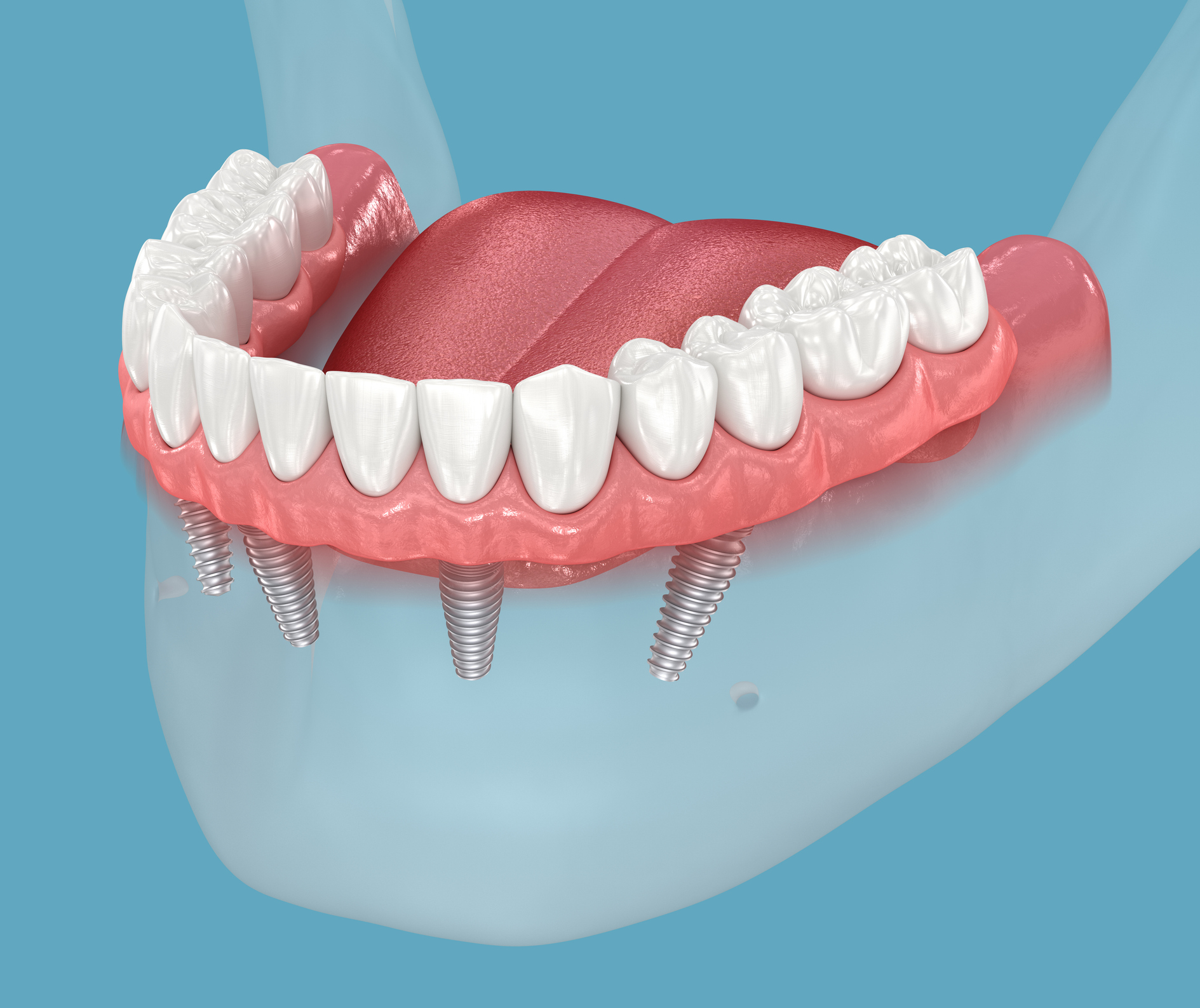
All-on-4 uses four implants per arch to support a full set of replacement teeth; All-on-X uses between four and six, or more, depending on your bone and bite; individual implants replace one or more single missing teeth without touching the rest of your mouth. At Hallcross Dental we don’t default to the standard four — we plan each full-arch case around what will genuinely give you the most stable, long-lasting result.
What is All-on-4?
All-on-4 is a technique that uses four strategically placed implants — two straight at the front and two angled towards the back — to support a full arch of replacement teeth. The angled posterior implants make the most of existing bone and often avoid the need for a bone graft, which is why it became a popular standard approach for full-arch rehabilitation.
What is All-on-X, and why we often use it instead
All-on-X builds on the same principle but uses four to six (or occasionally more) implants per arch for greater support. At Hallcross Dental, we treat each arch as a complete, functional unit rather than fitting your case to a fixed number. We typically place more than the standard four implants where it improves stability, spreads biting load more evenly, and reduces the risk of needing further surgery down the line.
This is a deliberate clinical choice, not an attempt to increase cost — our full-arch pricing is a fixed fee regardless of exactly how many implants your case needs within it. The aim is simply the most secure, long-term result for your specific bone and bite.
What are individual implants?
An individual (single) implant replaces one missing tooth with its own titanium root and crown, without altering the teeth either side of it. This is the right option when you’re missing one, two or a few teeth and the rest of your natural teeth are healthy — full-arch treatment is only appropriate when most or all of the teeth in an arch need to be replaced.
How we decide which approach is right for you
The decision comes down to three things we assess at consultation and CT scan: how many teeth need replacing, the density and volume of your remaining bone, and whether you want your new teeth the same day (immediate loading) or after a healing period (delayed loading). We’ll walk you through exactly why we’re recommending a particular number of implants and a particular material for your final teeth — acrylic or porcelain — so you understand the trade-offs before deciding.
Next step
If you’re not sure which approach fits your situation, that’s exactly what a consultation is for. Book a CT scan and assessment with our implant team at Hallcross Dental, Wigston, Leicester, and we’ll give you a clear recommendation and a fixed price.

Jeevan Bhuhi
Director/Implant Surgeon | GDC: 228365
Written by Dr Jeevan Bhuhi, BDS, MFDS RCS Ed, Master’s Degree in Implant Dentistry — Director & Implant Dentist, Hallcross Dental
Medically reviewed and last updated: September 2026